Public health challenges are becoming more complex and interrelated. Disease outbreaks, emerging infections, antimicrobial resistance, climate-related health threats, and the increasing demands on healthcare systems require inter-organizational and trans-state collaboration. Recognizing this fact, the Zambia National Public Health Institute (ZNPHI) has made partnerships at the center of its strategies for enhanced health security, workforce development, research advancement, and improved public health.
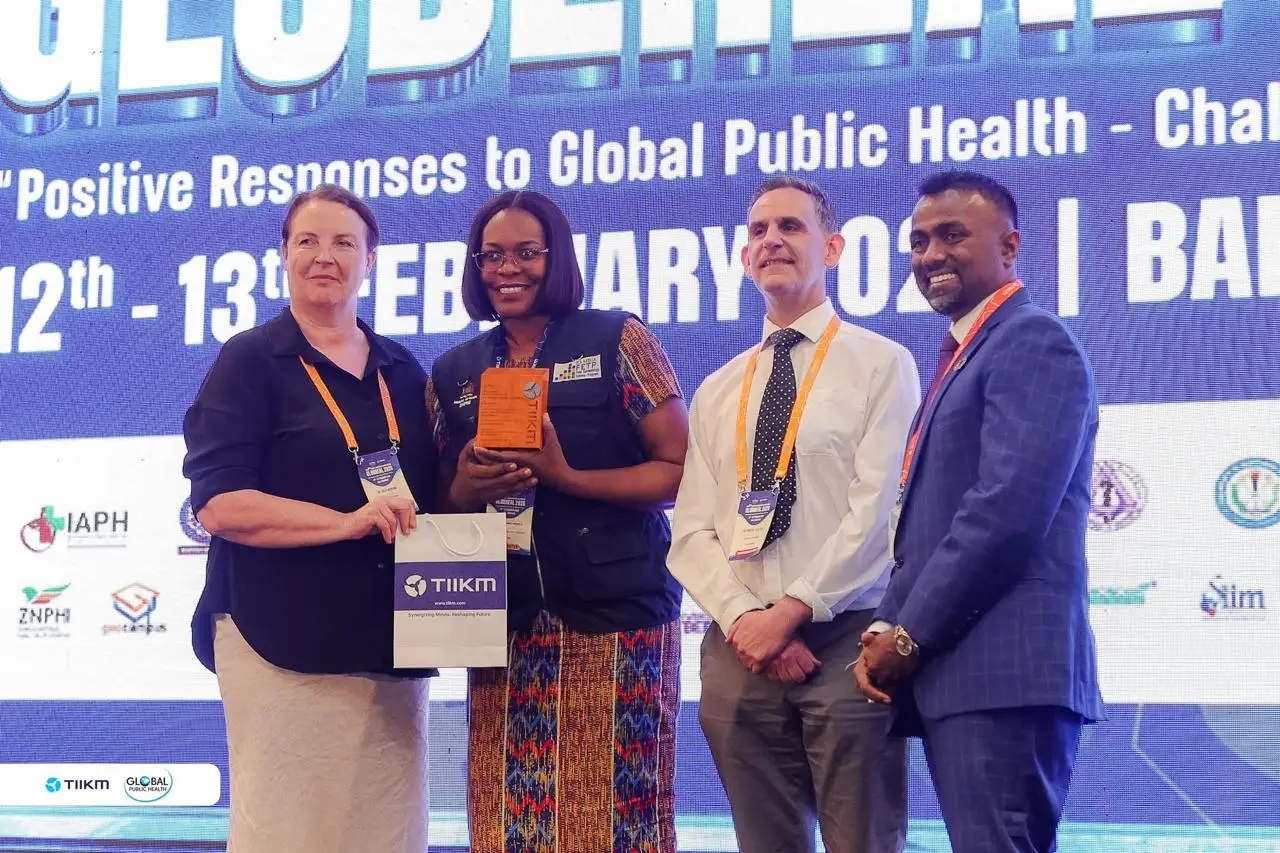
Public health challenges are becoming more complex and interrelated. Disease outbreaks, emerging infections, antimicrobial resistance, climate-related health threats, and the increasing demands on healthcare systems require inter-organizational and trans-state collaboration. Recognizing this fact, the Zambia National Public Health Institute (ZNPHI) has made partnerships at the center of its strategies for enhanced health security, workforce development, research advancement, and improved public health. ZNPHI has developed a number of collaborations with government ministries, academic institutions, regional public health institutions, development partners and international organisations over the years. Partnerships have been formed to enhance disease surveillance systems, laboratory services, emergency preparedness and response, operational research, and public health workforce development. And more significantly they have facilitated shared learning, innovation, and collective action in relation to public health priorities. Of the many positive outcomes of these partnerships, perhaps the most significant is the expansion of Zambia’s public health workforce. Zambia has scaled up training and professional development in various disciplines through partnerships with Africa CDC, AFENET, WHO, US CDC, UKHSA, universities and other technical partners. The Zambia Field Epidemiology Training Program (ZFETP) has generated a growing body of frontline, intermediate, and advanced field epidemiologists contributing to disease surveillance, outbreak investigations, operational research, and the evidence-based decision-making approach. New training programs in One Health, Public Health Informatics, Public Health Emergency Management, and Epidemic Intelligence contribute directly to bolstering the country’s capacity to address emerging public health threats. Collaborations have also been essential for bolstering surveillance and health security resources. Collaborative efforts have improved detection of diseases, laboratory-level preparedness, digital health systems and emergency response capacities. Through our efforts to manage cholera, mpox, anthrax, measles and other public health emergencies, we have learned how crucial coordinated action between government institutions, technical partners, researchers and communities can be. The investments have increased the country’s ability to quickly and effectively identify, investigate and respond to health emergencies. Another crucial area of cooperation is South-to-South cooperation. ZNPHI has collaborated with public health institutes, laboratories and academic institutions throughout Africa which facilitated the sharing of pragmatic experiences and solutions intended to cater to a common operating environment. There are such partnerships that have helped to build national ownership, foster self-reliance and underpin the Africa CDC New Public Health Order – which promotes strong national public health institutions and increased regional capacity to address public health issues. Research and innovation continue to be important pillars of public health progress. ZNPHI has enabled operational research, surveillance evaluations, implementation science, predictive modelling, and the use of emerging technologies for better public health practice, in partnership with local and international universities, research institutions, and technical agencies. These collaborations have resulted in the development of evidence that supports policies, programs and interventions to enhance population health strategies to make a better public health outcome. It is also at international scientific conferences that this enterprise has done its part in enhancing the aforementioned efforts. International conferences of The International Institute of Knowledge Management (TIIKM) and the Global Public Health Conference have provided Zambian researchers and other public-health practitioners with a rich environment to present research work and share their experiences with colleagues.
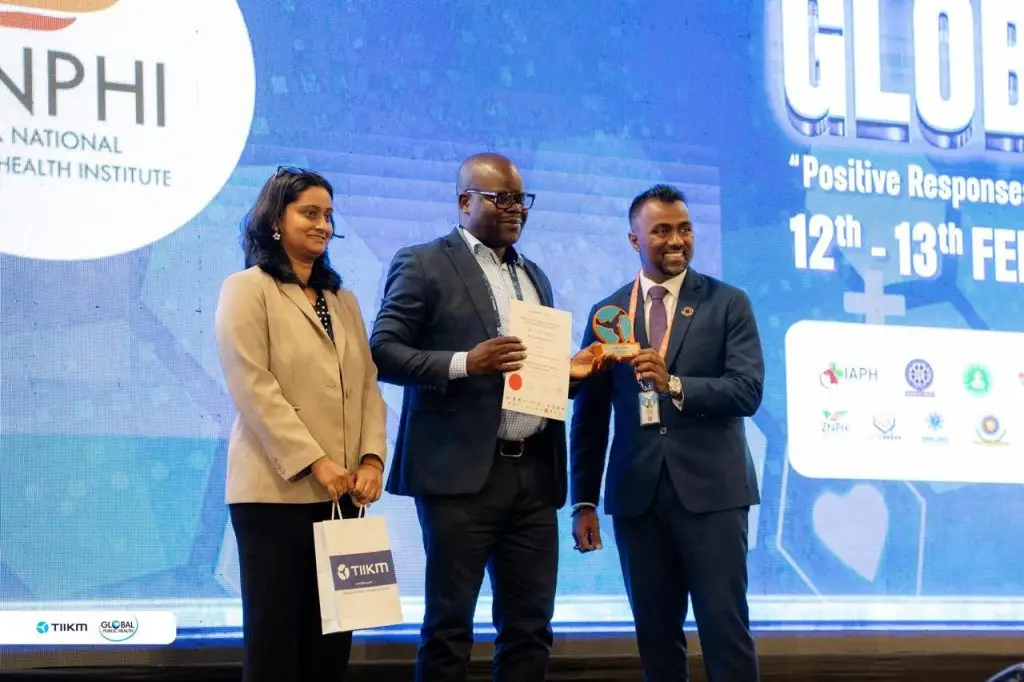
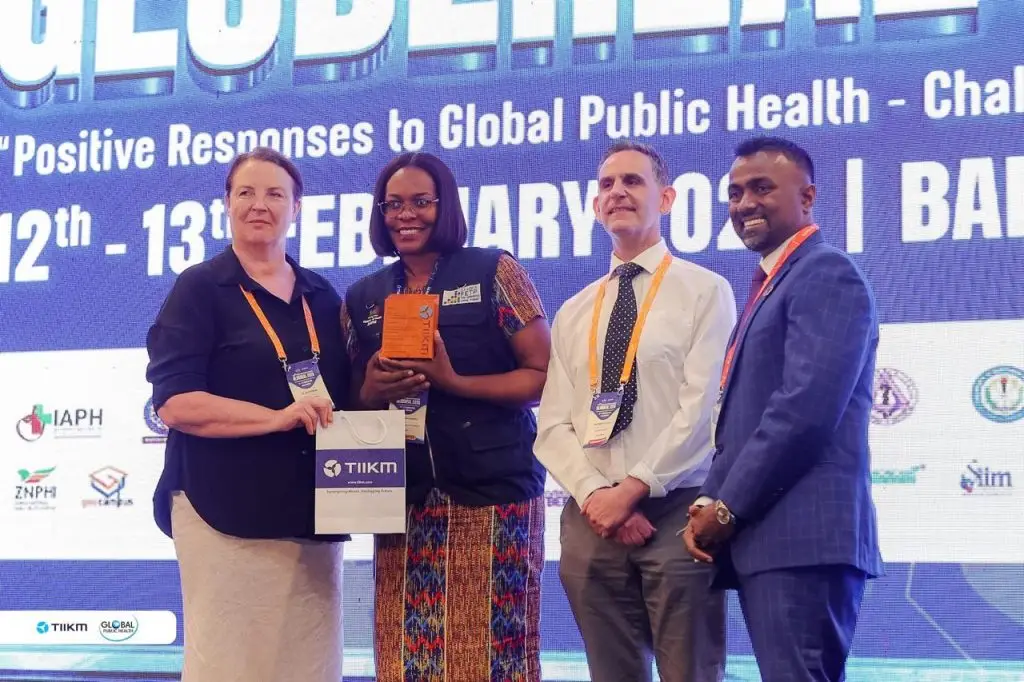
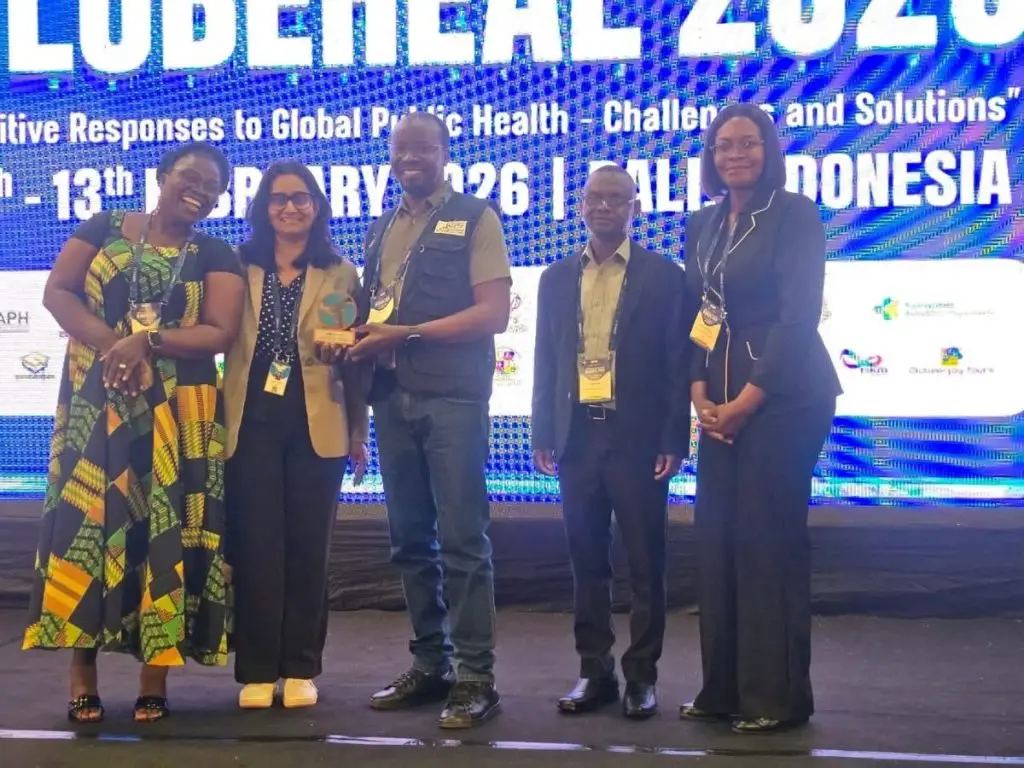
Other countries take part in similar innovation initiatives. By means of this kind of organization international programs have allowed Zambian researchers and public health practitioners to interact with researchers worldwide; they are able to share their findings and learn from the successes and failures of such efforts; more importantly, international collaboration will take place. For Zambia, participation in TIIKM conferences has brought concrete benefits. Exposure to experienced globally helped us understand how countries in our country tackle disease surveillance, laboratory quality assurance, human resources, digital health and health systems’ strengthening strategies. The conferences have also given Zambia a platform to show off the country’s advancements and bring local production research to the international community stage. The outcomes have been promoted to colleagues and the public health system by sharing the lessons learned with colleagues across the country as part of more effective programmes, stronger networks within the profession, and strengthening of resources in the public health sector. This is more than professional growth at the personal level. They also help in developing a research, lifelong learning and evidence based environment for decision making. International conferences work to connect Zambia to a wider community of scientists, practitioners, and policymakers, closing the divide between what the world knows and what is being done there. If our public health challenges continue to change, partnerships will continue to play a key role in developing resilient, responsive health systems.
The Zambia National Public Health Institute is still committed to creating collaboration that creates innovation, builds capacity, strengthens research and ultimately advances health. Building on experiences learned through collaboration, TIIKM and similar global scientific platforms shows how meaningful collaboration can fast-track the development of robust health systems, greater health security and healthier communities, a conclusion that stands testament to our common understanding.
The future of public health requires a robust and adaptive capacity among countries and organisations working together and not just a strong institutions.Zambia has a place in and can partake in global efforts to create a safer and healthier world, leveraging partnerships, mutual understanding and collective action.
Read more about ZNPHI
https://www.facebook.com/share/1Txk8LPSn9/?mibextid=wwXIfr
We look forward to continuing our partnership with 10th Global Public Health Conference https://healthconference.tiikm.com/
And together we stand for a healthier future!
Dr. Nyambe Sinyange
Director of the Zambia field Epidemiology Training Programme (FETP)
Zambia National Public Health Institute
Share this post: