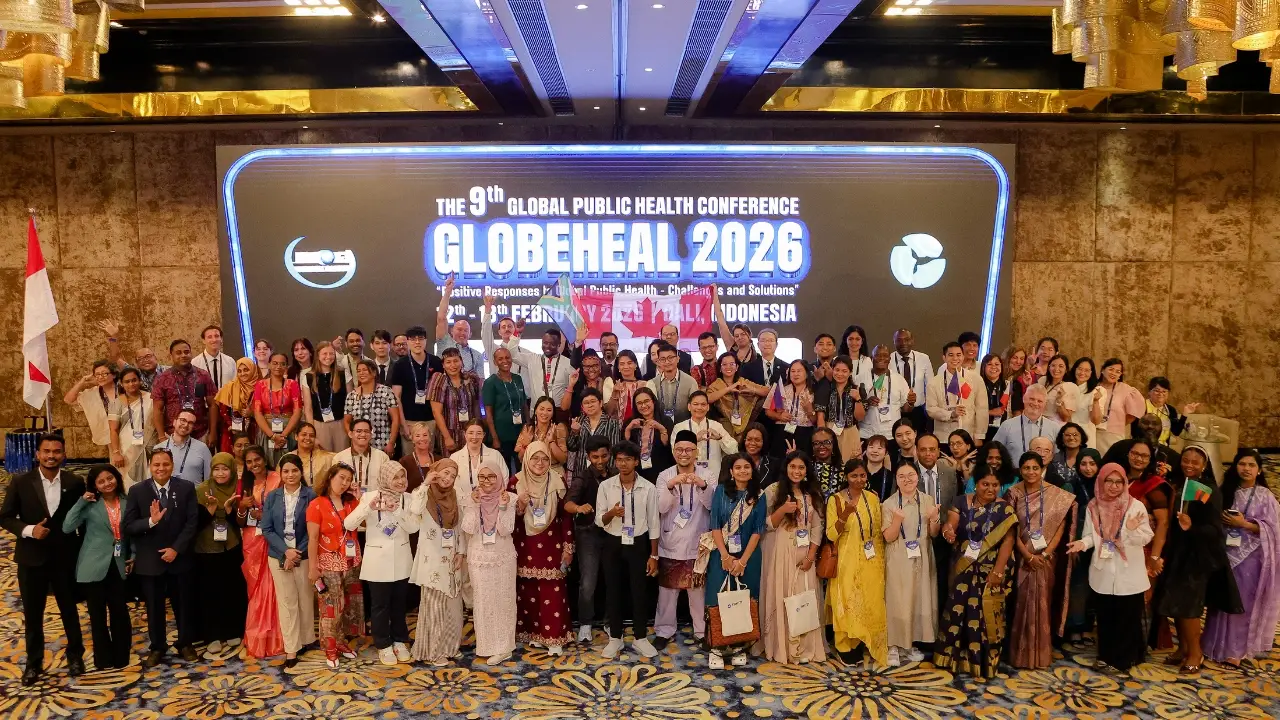
What an experience, the Global Public Health 2026 conference in Bali, Indonesia was for me, on an academic, research and personal development level. The conference took place from 12 to 13 February 2026. The conference started with a day where one could portray their traditional and/or country’s attire, blending our cultures into the globe and reflecting the global public health humanity we combinedly are. This is the day each academic partner was acknowledged and having the honor to represent the University of Johannesburg (UJ), Faculty of Health Sciences, Department of Environmental Health, South Africa, was amazing. When the UJ and my name was called, I could not help but loudly ululate in celebration, the best African way I know how. This was such a great moment reflecting our global engagement as an institution, our interest in global public health as a department and the drive to participate, grow and develop on an international level as an academic (see figure 1a and b). Being an academic partner at the conference also comes with many other benefits such as attending pre- and post-conference workshops and other research writing services.
Later in the casual conversations, it was interesting to learn that the action of ululating is not only an African phenomenon, but common across many other countries such as Canada, as was share by one participant. I proceeded with the conference with an oral presentation of an abstract which gave me the opportunity to share research done and some findings in public health in the area of Dental occupational health and safety. This platform afforded me the opportunity to receive comments and questions to deliberate more on research and potential future endeavors in this focus area of public health. Presenting your research on such a global stage allows for interrogations, dialogue and input from other countries, to establish the standing of different public health dynamics relating to your topic of presentation. Interestingly, I also met researchers and collaborators from other universities of my country, South Africa and we have since kept communication and are actively engaging in research collaboration. This was made possible by our participation in GLOBEHEAL 2026. I have also kept communication with scholars met at the conference from India and we have looked into joint application for funding. These are ventures that become possible when you attend wonderful, engaging conferences such as the GLOBEHEAL 2026. Similarly, the conference administration and coordination were flowing exceptionally well. The happenings at every step and part of the conference were promptly communicated with the participants. The hospitality, the food and vibe were equally warm and delightful. The fact that the conference is hybrid, allowing those unable to come physically to the hosting venue, is good. This enables parallel session, giving more platforms to share research done across the globe. One is also able to identify similar research focus areas and join various sessions to learn and enhance knowledge in the particular field. It is with appreciation that the conference management and administrators determined the need to extend the conference from two days to three days in the future. It is of such great magnitude as public health is a big fraternity and there is so much more research knowledge to share from both developing and developed countries. I had such a wonderful, learning and lasting experience at GLOBEHEAL 2026. Having had the opportunity to engage with so many scholars and researchers from different parts of the world is holistically developmental and I would recommend to other academics and researchers in public health, without a doubt, to take the opportunity, should it arise to participate.
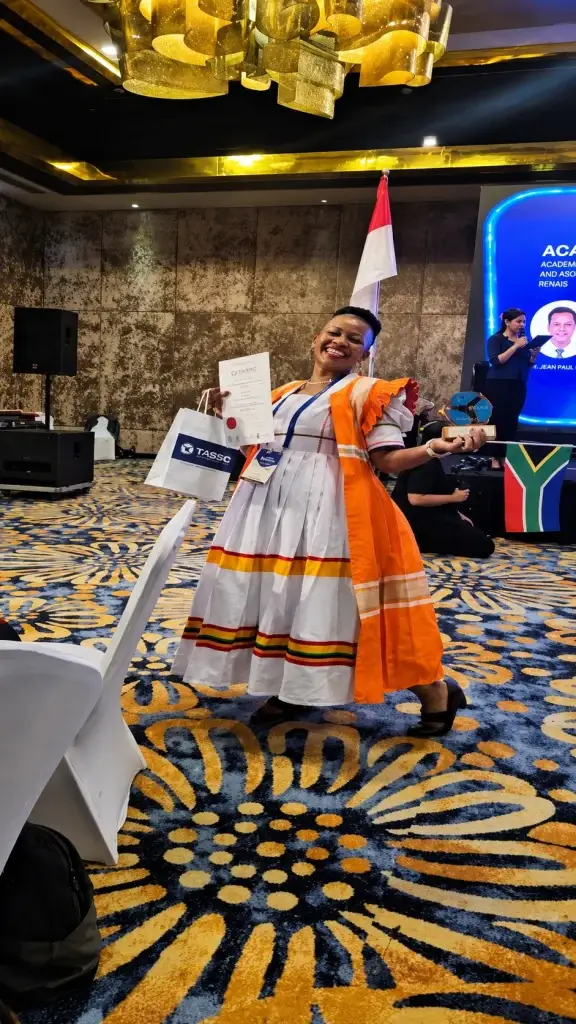
Figure 1(a): Dr Mokoatle in celebration
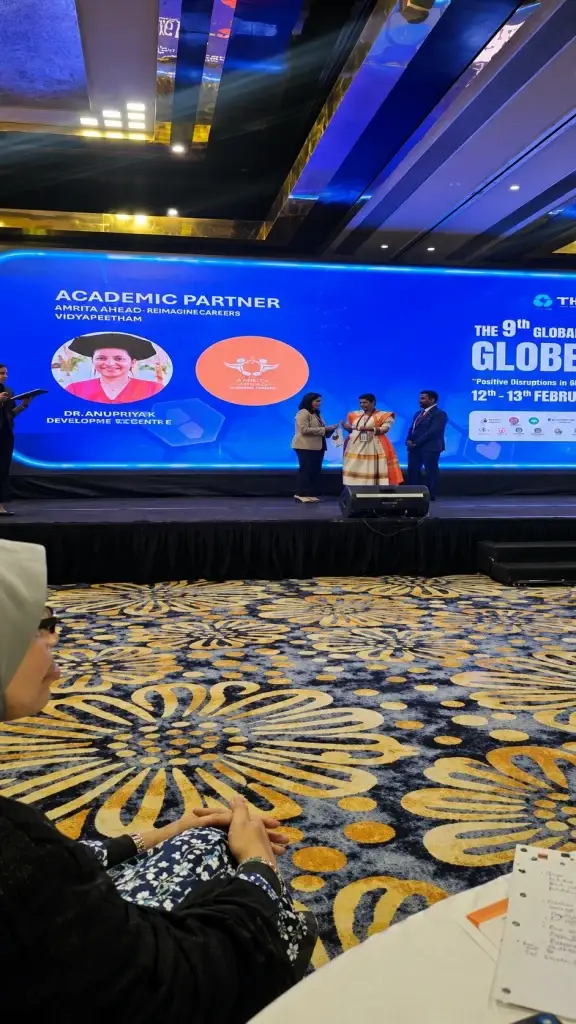
Figure 1(b): Academic Partner Acknowledgement
Share this post: